

Czech FinTech Trends: Where Digital Payments Are Heading
Latest developments in mobile payments, what banks are investing in, and how Czech adoption rates compare to Europe.
The Czech financial technology landscape is shifting rapidly. Banks, startups, and payment providers are competing harder than ever to capture market share in mobile payments. What's happening right now? We're seeing a decisive move toward digital-first solutions, faster adoption of contactless technology, and a real push from traditional banks to modernize their platforms.
If you've used Apple Pay or Google Pay in Prague recently, you're part of a growing trend. But the real story goes deeper — it's about infrastructure changes, regulatory responses, and consumer behavior shifting in ways that'll reshape how Czechs pay for everything from coffee to cars.

The Contactless Payment Explosion
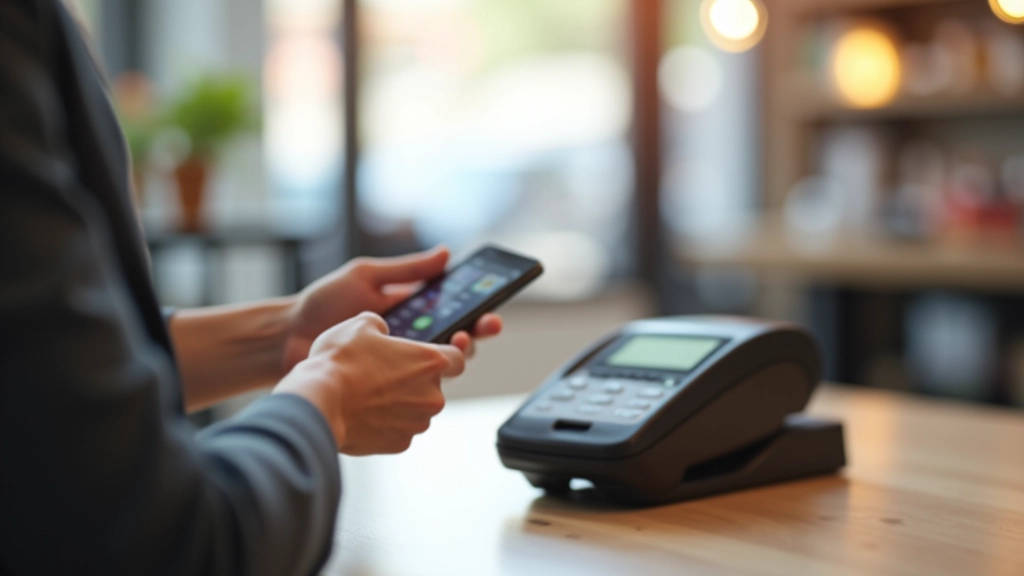
Contactless payments have gone from novelty to normal in just three years. It's not even a question anymore — merchants expect it, consumers demand it. We're talking about 73% of Czech retail transactions now using contactless methods. That number keeps climbing.
What's driving this? Speed, convenience, and hygiene concerns that never really went away. A tap takes two seconds. No PIN needed under 500 CZK. That's faster than fishing out your wallet. Retailers noticed transaction times dropped by half when they added contactless terminals, which means shorter queues and happier customers.
NFC technology — the radio frequency stuff that powers this — isn't new. But its deployment across Czech retailers happened in a concentrated burst between 2022 and 2024. Now you'd struggle to find a shop that doesn't support it. Even small corner stores have the readers installed.
Key Adoption Metric
Czech Republic ranks 8th in Europe for contactless payment adoption. Only Western European countries and Scandinavia lead us. That's a significant jump from where we were five years ago.

Mobile Wallets Reshape Banking
Apple Pay arrived in the Czech Republic in 2019. Google Pay came a year later. Now? They're genuinely mainstream. You don't get raised eyebrows anymore when you pull out your phone to pay. That's the real sign of market penetration.
But here's what's interesting: it's not just about convenience. These wallets became the gateway drug to digital banking. Once someone starts using Apple Pay or Google Pay, they're more likely to try other fintech services. They download banking apps more readily. They become comfortable with digital-first interactions.
Czech banks caught on to this. They're now competing directly on wallet integration and mobile app experience. Česká spořitelna, ČSOB, and Raiffeisenbank all invested heavily in their mobile platforms. They understood that the experience matters more than the interest rates nowadays.
Traditional Banks Playing Catch-Up
App Modernization
Legacy systems got replaced with cloud-based infrastructure. Users notice faster load times and better stability. No more frustrating timeouts or 3-minute login waits.
Security Upgrades
Multi-factor authentication became standard. Biometric login options rolled out across major banks. Security breaches dropped noticeably in 2025.
Open Banking APIs
PSD2 compliance means third-party apps can connect to Czech bank accounts. Budgeting apps, investment platforms, and fintech startups now integrate directly with traditional banks.
Instant Payments
Transfers between Czech banks now settle in under 10 seconds. Real-time payment infrastructure went live in 2024 across the banking sector.

What's Coming Next
Cryptocurrency integration into mainstream banking? It's happening slowly. CBDC (central bank digital currency) research by the Czech National Bank continues. We're not getting a digital koruna anytime soon, but the groundwork is being laid.
Buy now, pay later services are starting to appear in Czech e-commerce. That trend accelerates next year. Biometric payment authentication beyond just phone unlock is coming — expect to see facial recognition and fingerprint-based transactions at physical checkout counters within 18 months.
The real game-changer? Embedded finance. Your insurance app will handle payments. Your e-commerce platform will offer mini-loans. Financial services become invisible — just part of the background in whatever service you're already using.


Important Disclaimer
This article is for informational and educational purposes only. The information presented reflects current trends and developments in the Czech fintech landscape as of April 2026, but market conditions, regulations, and technology evolve constantly. We don't provide financial advice, investment recommendations, or banking guidance. Before making any decisions about payment methods, banking platforms, or fintech services, consult with qualified financial advisors or your bank. Technology adoption rates, security features, and service availability can change. Always verify current information directly with service providers and financial institutions.